Principle 8: Contribute to forgiveness and reconciliation
Dialogue provides the opportunity to overcome life’s difficulties and face future challenges in a more constructive way.
Martin Holmen used principle 8
Martin wrote an article called “The Power of an Apology” after receiving an unexpected apology from one of the people who bullied him in middle school. In the piece, he highlights why accepting that apology was important.

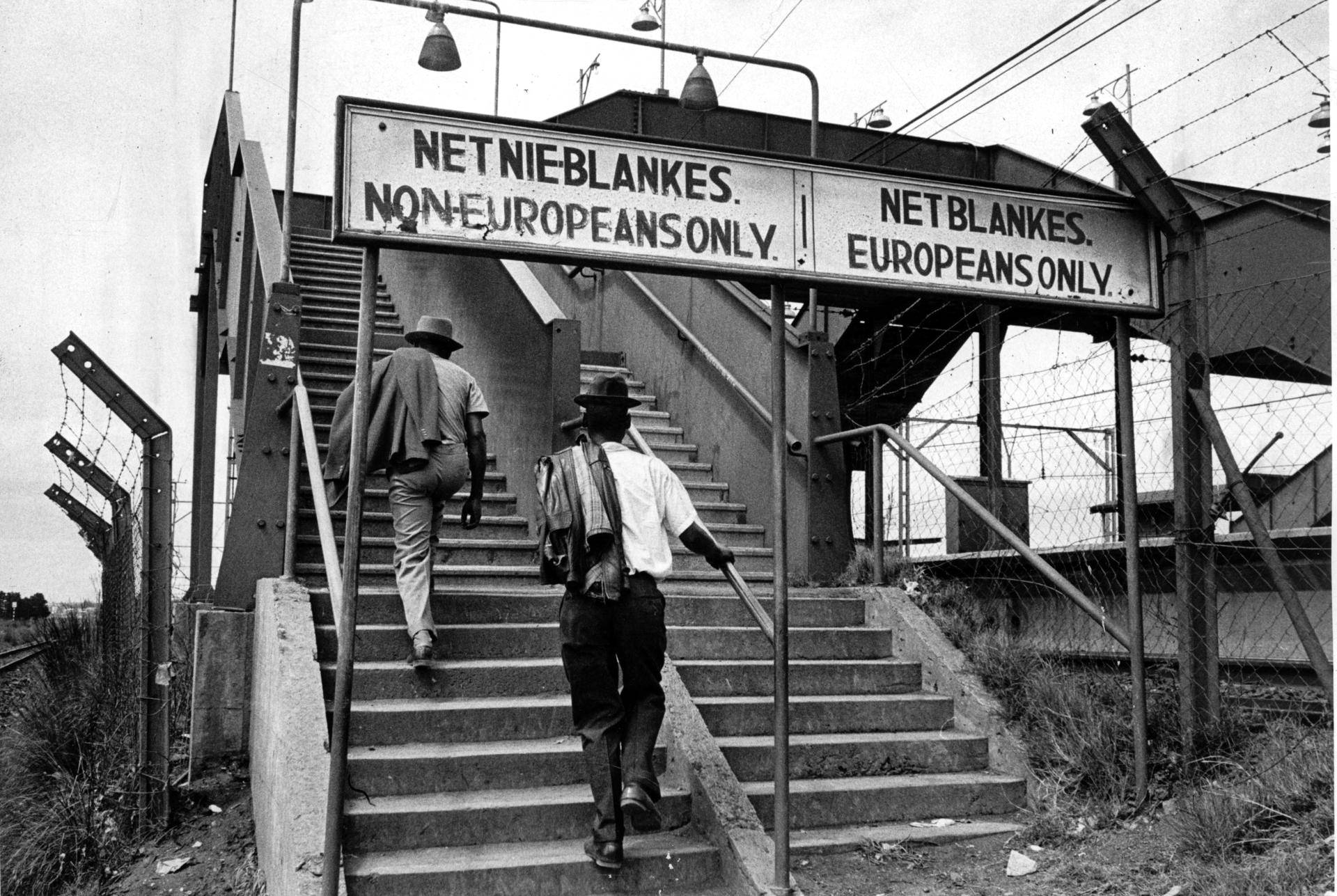
Understood that forgivenss was necessary to be freed from oppression
Peace Prize laureate Desmond Tutu used Principle 8: Contribute to forgiveness and reconciliation continuously when he spoke to the people of South Africa about apartheid. His work in the Truth and Reconciliation Commission in 1995 left a lasting impact. He argued that forgiveness and reconciliation were necessary to break free from oppression and apartheid.
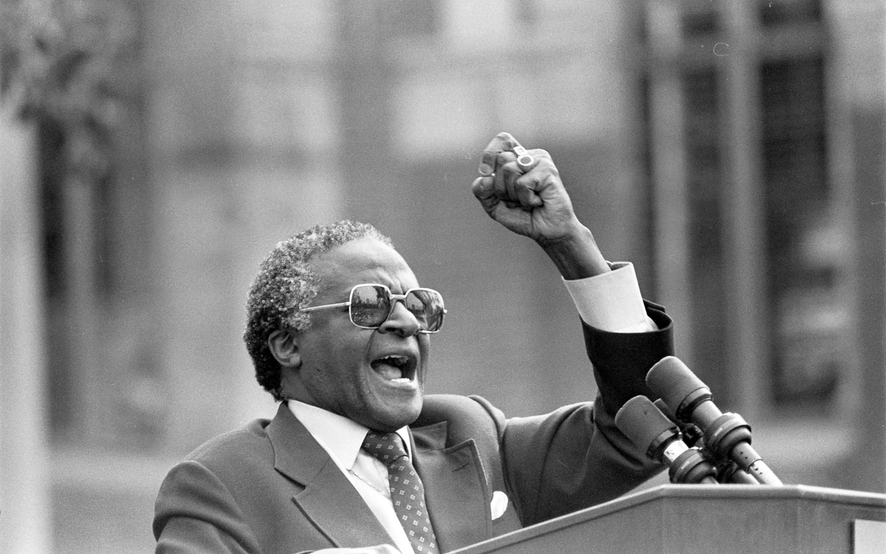
Desmond Tutus fours steps for forgiveness:
- Tell the truth. Telling the truth will help give strength to the victim.
- Express the pain. Shaming pain and pretending it does not exist means that it remains in your body and heart.
- Forgive. Forgiveness is a conscious choice we make. We must acknowledge our compassion.
- Renew or let go of the relationship. By telling the truth, expressing your feelings and finally forgiving, you will be able to decide whether or not to renew or let go of the relationship.
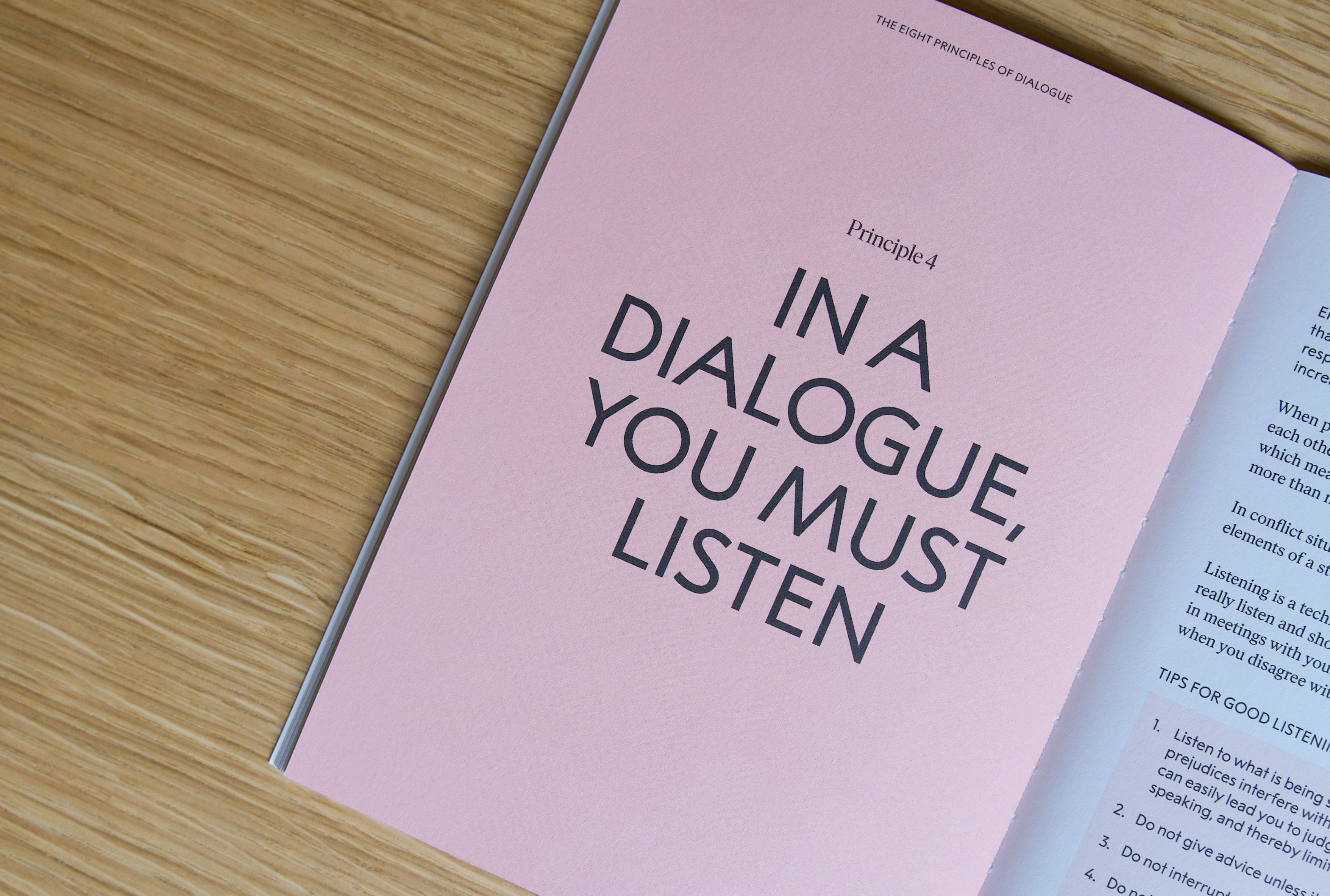
What are the dialogue principles?
The eight dialogue principles were defined when we tried to understand how the Peace Prize laureates managed to move their causes forward in such a peaceful and productive way. We realised there is a pattern in their approach. Dialogue is the overarching concept, while the principles are parts of dialogue that anyone can practise.
Explore the eight principles of good dialogue:
Dialogue belongs in all areas of life
Photo: Desmond Tutu. Thomas Kelsey, Los Angeles Times. cc 4.0
