Principle 6: Ask questions
Asking open and exploratory questions is helpful for understanding other people, especially when you disagree with someone.
Skolebytte used principle 6
The students in the skolebytte did a school exchange and learned that through listening and asking questions, they can understand each other and build strong relationships.

How to ask good questions:
- Ask open-ended questions (which do not allow for yes/no answers).
- The questions should encourage more reflection and curiosity.
- Ask questions that make them want to elaborate on what they mean.
- Ask questions that help you understand what you disagree with or do not understand.
- Questions that start with what and how are less confrontational than those that start with why.
- There are no stupid questions. Ask questions whenever you need to, so you don’t regret not asking them later. Often, several people are wondering about the same thing.
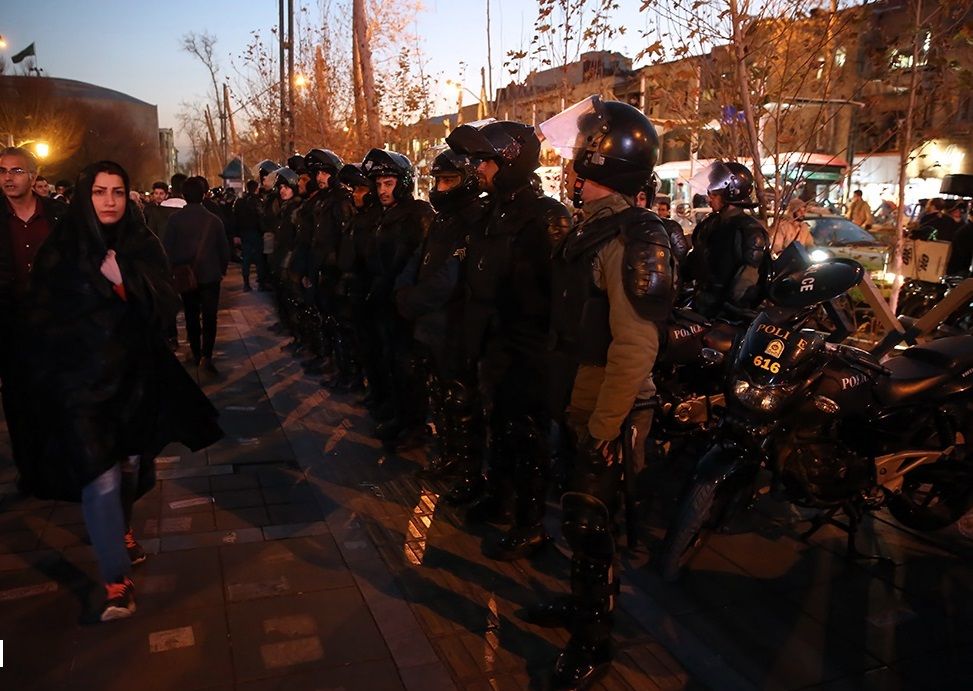
Understand your oppressors
Peace Prize laureate Shirin Ebadi used Principle 5: Ask questions to understand her oppressors and where they came from. She showed this in her acceptance speech when she received the Nobel Peace Prize in 2003, explaining how some people could take part in the oppression she herself faced in her home country.

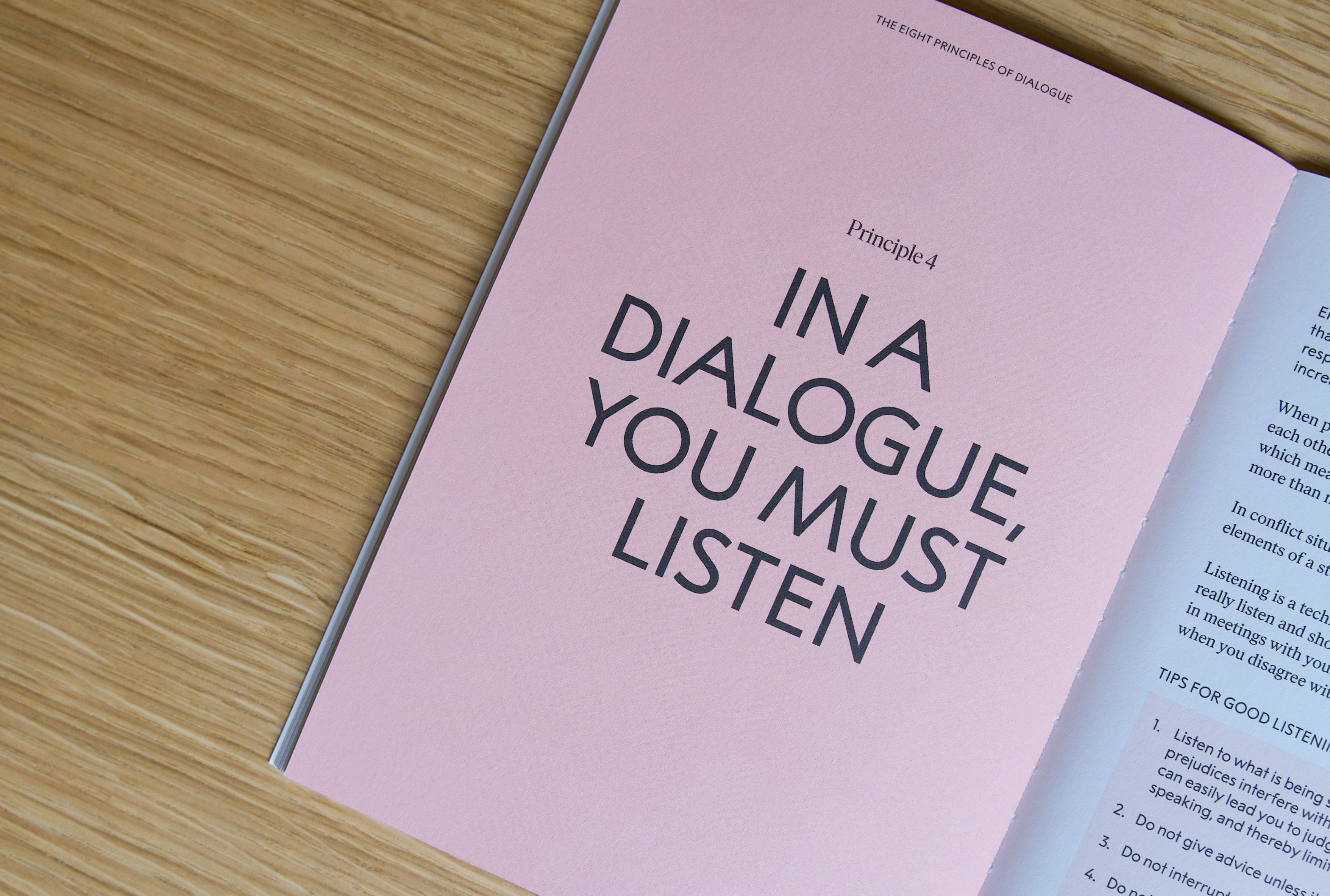
What are the dialogue principles?
The eight dialogue principles were defined when we tried to understand how the Peace Prize laureates managed to move their causes forward in such a peaceful and productive way. We realised there is a pattern in their approach. Dialogue is the overarching concept, while the principles are parts of dialogue that anyone can practise.