Nobel Peace Conference: A Collective Effort for Democracy
This year’s Nobel Peace Conference, Democracy on the Brink, brought together Nobel Peace Prize laureates, activists, and experts in Oslo, with the 2025 Nobel Peace Prize to María Corina Machado as a backdrop. The speakers came from across the globe, from countries that share little beyond a democracy under pressure. Yet they arrived at a common conclusion: the challenges are global, and there is hope as long as they are met through cooperation across borders.
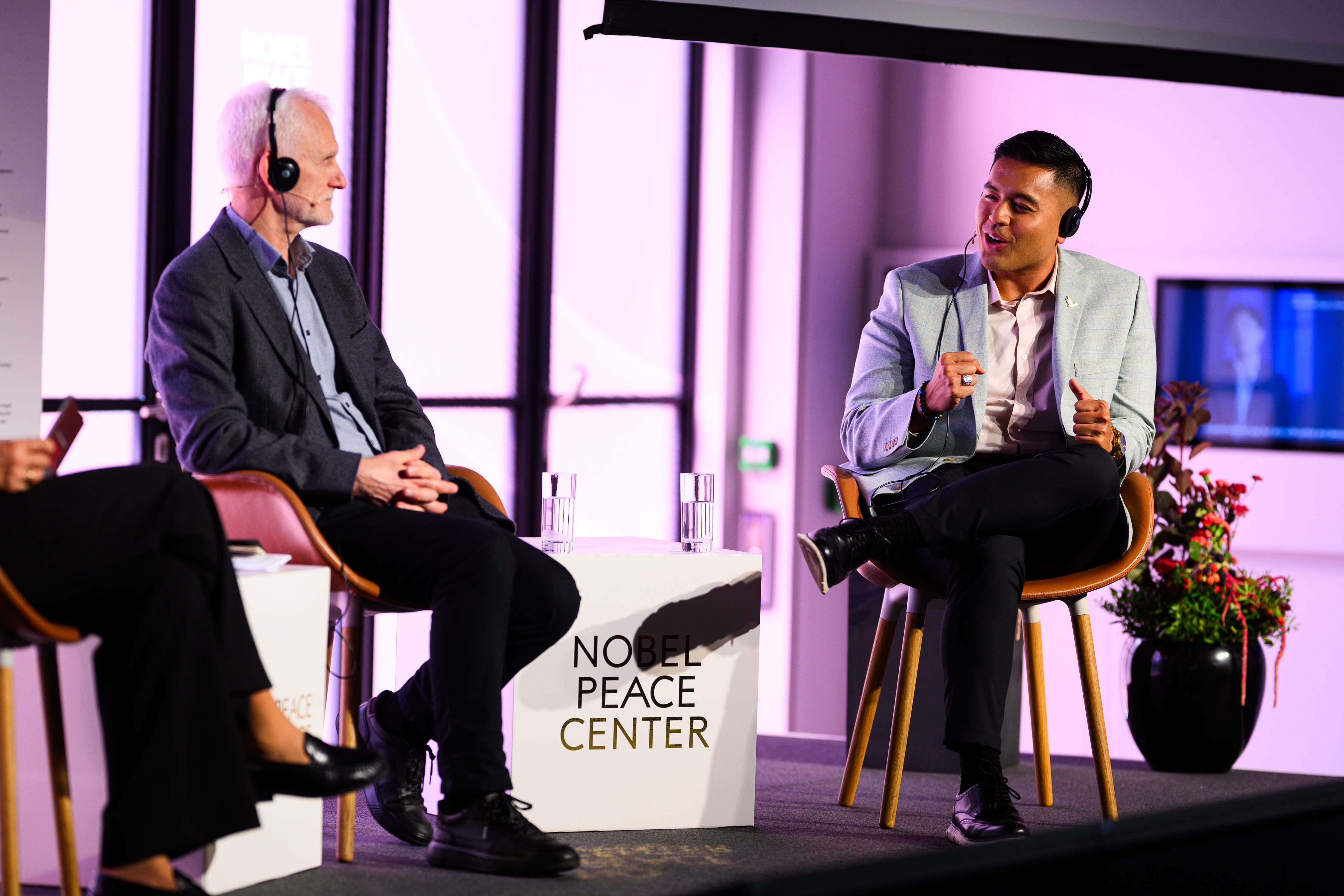
Nobel Peace Center Executive Director Kjersti Fløgstad set the stage by pointing out that authoritarian forces are increasingly learning from one another, and that those defending democracy must do the same. This message was reinforced by Belarusian human rights activist Ales Bialiatski (Nobel Peace Prize 2022), who noted that the human rights movement in Belarus has depended entirely on international support to survive:
“Now that the challenges facing democracy are also being felt more strongly in European countries, with growing populism and an increasingly vocal far right, we activists must unite our energy, knowledge and enthusiasm.”
Bialiatski took part in a conversation with American activist Andrew Regalado, one of the Gen Z delegates attending this year’s conference.
“I’m so grateful to be here with democracy activists from around the world, thinking through what our transnational, global strategy against authoritarian forces should be,” he said.
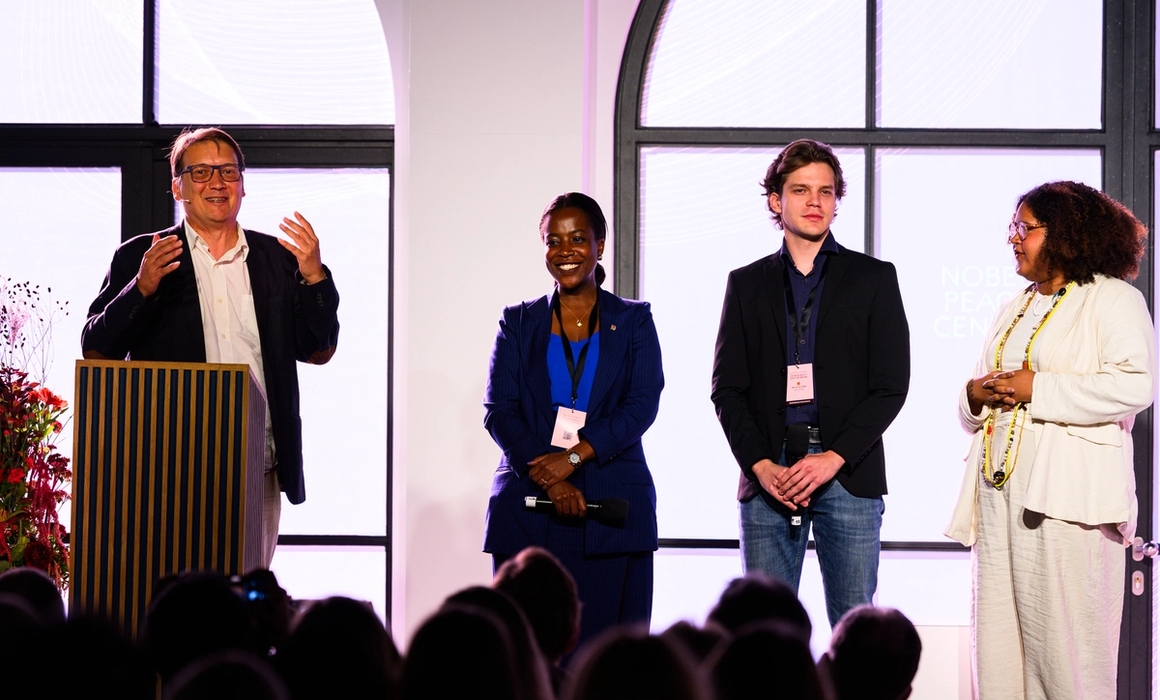
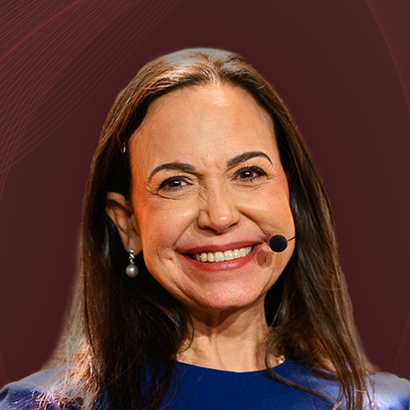
Behind these common themes lay powerful personal stories. María Corina Machado (Nobel Peace Prize 2025) spoke about her experience of Venezuela’s 2024 presidential election, in which she succeeded in uniting the opposition and documenting that they had, in fact, won the vote: efforts for which she was awarded the Nobel Peace Prize. From Iran, 2023 Nobel Peace Prize laureate Narges Mohammadi, who continues to face persecution by the regime, delivered a reminder as simple as it was profound:
“Democracy is, and has always been, the very heartbeat of human freedom.”
For Nepali activist Rakshya Bam, the link between democracy and climate was not theoretical but immediate. She arrived in Oslo directly from devastating floods and landslides in Nepal. Democracy, she argued, is ultimately about protecting the most vulnerable, and there can be no peace or democratic justice without climate justice.
Technology as Opportunity and Threat
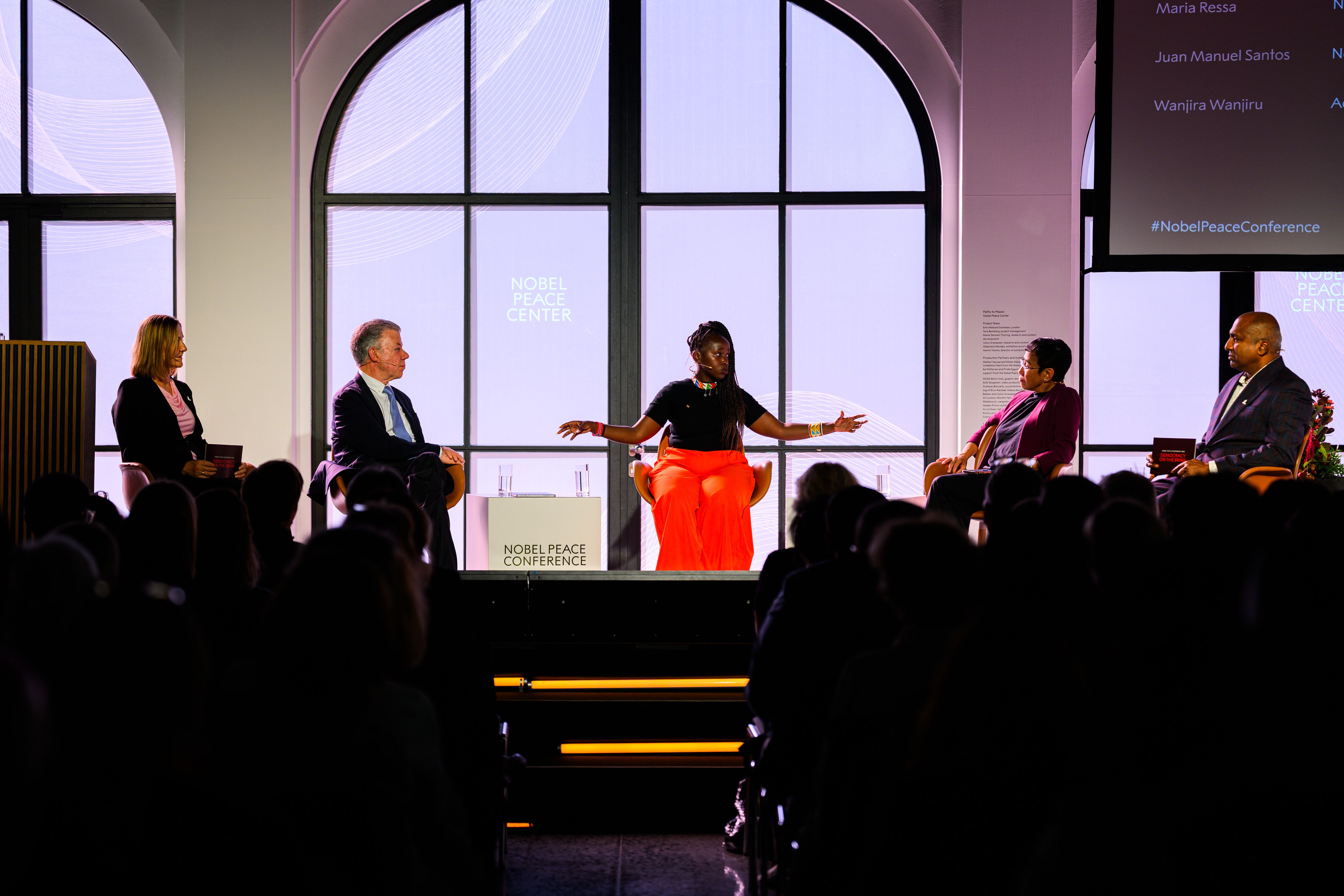
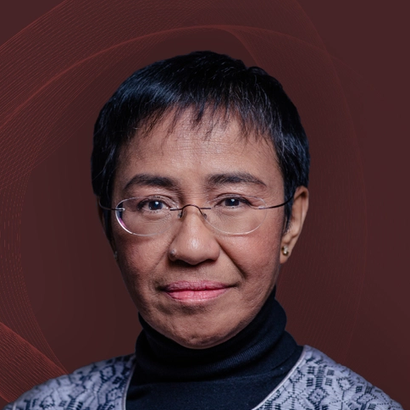
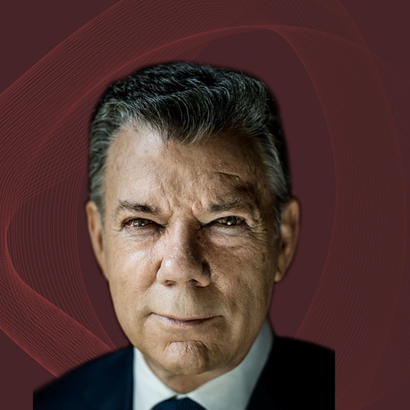
One of the greatest threats to democracy today comes from technology. Artificial intelligence and algorithm-driven social media are fuelling polarisation and undermining our shared sense of reality. At the same time, social media has become a powerful force for connection among Gen Z movements across countries. This dilemma was explored in a panel discussion featuring Nobel Peace Prize laureates Maria Ressa (2021) and Juan Manuel Santos (2016).
“The technology we all depend on today is controlled by people we never elected, without any mechanisms of accountability,” said Maria Ressa.
In her view, the solution must come through cooperation across roles and sectors. Activists, protesters, journalists and policymakers must work together to stop surveillance for profit and curb algorithms that amplify bias. Journalism, she argued, is an antidote to tyranny.
Drawing on Colombia’s experience, former President Juan Manuel Santos highlighted a lesson that he believes remains crucial today: The founders of democracy warned that one word must never be forgotten: moderation. If we lose the ability to sit down with people who think differently from us, we risk losing democracy itself.
Kenyan activist Wanjira Wanjiru, who has personally been subjected to government-led smear campaigns, spoke about how social media has enabled activists from different countries to collaborate and support one another. She also brought a message from the group of 14 Gen Z activists gathered in Oslo this week:
“We are here not only to save democracy, but to upgrade it, like software that needs constant renewal.”
Watch the Nobel Peace Conference 2026:
Times in the recording:
11:06 Kjersti Fløgstad opening speech
27:45 Maria Corina Machado
41:08 Narges Mohammadi
45:30 Ales Bialiatski
51:25 Maria Corina Machado, Ales Bialiatski and Andrew Regaldo
1:03:02 Gina Romero
1:19:35 Rakshya Bam
2:04:30 Maria Ressa
2:37:42 Panel w/ Juan Manuel Santos, Maria Ressa, Wanjira Wanjiru
3:01:50 Ricken Patel
3:15:24 Lisbeth Pilegaard
3:26:58 Bryan Sims
3:38:04 Ivan Marovic, Sophie Mugure Njehia, Pavle Cicvarić and Ana Rose Cyrus.
3:52:42 Jørgen Watne Frydnes
Speakers at the conference:
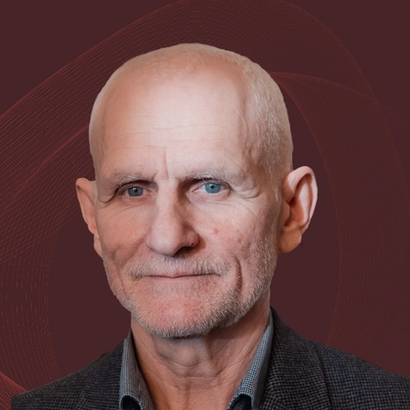
Ales Bialiatski
Nobel Peace Prize 2022
Maria Ressa
Nobel Peace Prize 2021
Juan Manuel Santos
Nobel Peace Prize 2016
Maria Corina Machado
Nobel Peace Prize 2025 (Digital)
Jørgen Watne Frydnes
Chair of the Norwegian Nobel Committee
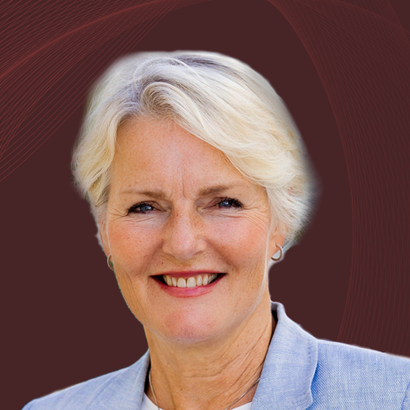
Kjersti Fløgstad
Executive Director, Nobel Peace Center
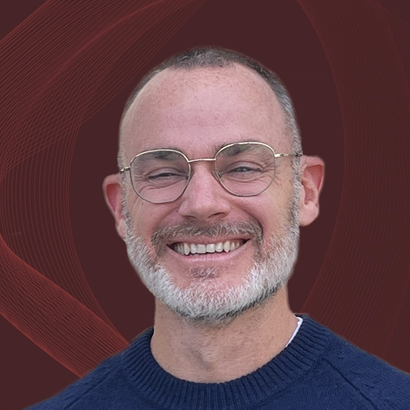
Bryan Sims
Director of Peacebuilding & Partnerships at Humanity United
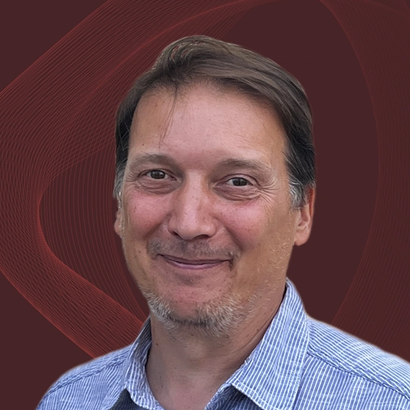
Ivan Marovic
Executive Director of ICNC
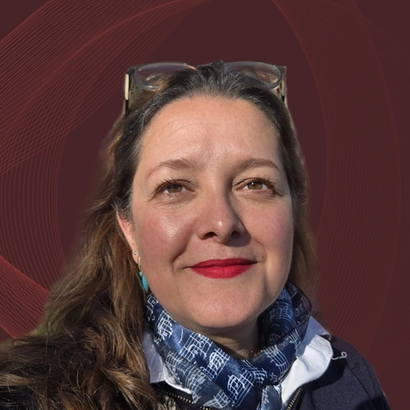
Gina Romero
UN Special Rapporteur
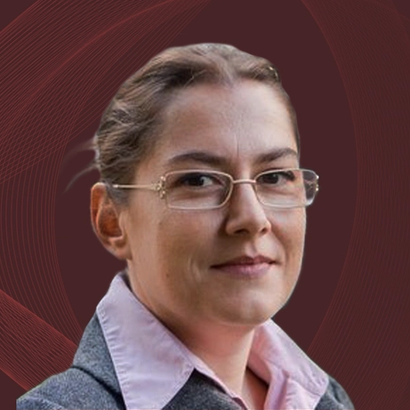
Iva Dobichina
Senior Program Officer, Ford Foundation
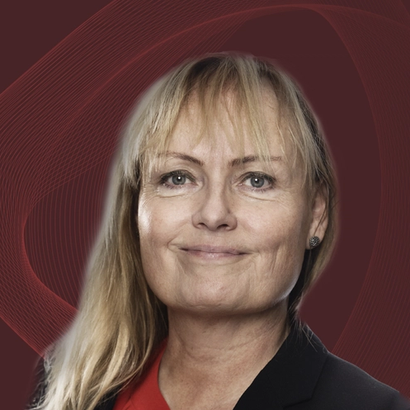
Lisbeth Pilegaard

Andrew Regalado
Senior Organizer with the Horizons Project
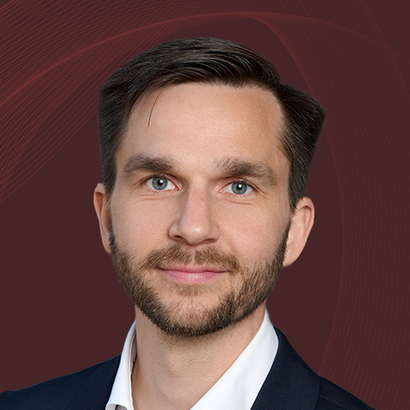
Haakon Gjerløw
Acting director of PRIO
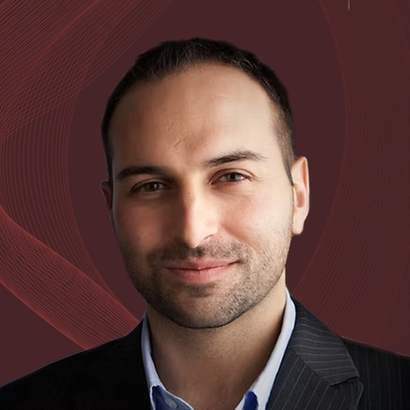
Ricken Patel
Cofounder and co-chair of Democracy Hub
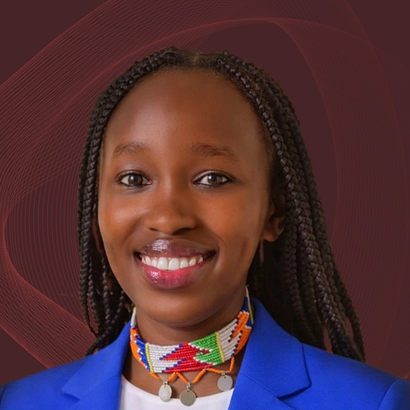
Wanjira Wanjiru
Kenya
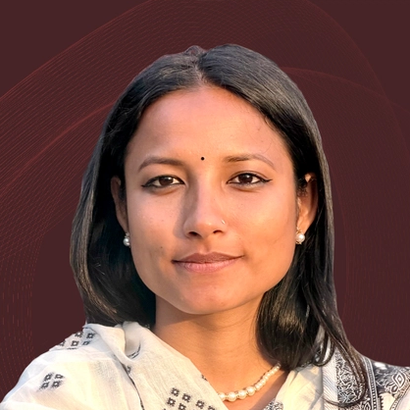
Rakshya Bam
Nepal
➝
Share: