Gen Z leaders across the world share challenges and hopes
The Nobel Peace Conference 2026 was more than just a conference: It brought together 14 Gen Z leaders from five countries across the Global Majority and Global North for a week-long gathering with the aim of creating durable impact and a stronger network of democratic movements. Following a year where youth-led movements swept through more than a dozen countries; peaceful civil resistance has been hampered by ad hoc support and gaps in shared strategy. Gen Z leaders gathered to build shared diagnosis of common challenges, and then designed actionable proposals with one other and with Nobel Peace Prize Laureates.
The 14 leaders were elected by their peers, representing the Gen Z movements that are peacefully changing the trajectories of countries grappling with governance failures and eroding public trust. In Nepal, Kenya, Serbia, Brazil and the USA, young people have taken to the streets calling out against corruption, poor healthcare systems, unemployment, and violence.
The first thing they discovered as they gathered in Oslo was that the challenges they are facing are the same across different continents:
“We are all facing the same police intimidations, government surveillance and risk of arrests and abductions. And we all fear that our next elections might not be fair and just”, said Sophie Mugure Njehia from Kenya, as she summed up the conversations with her fellow Gen Z activists from the Nobel Peace Conference stage.
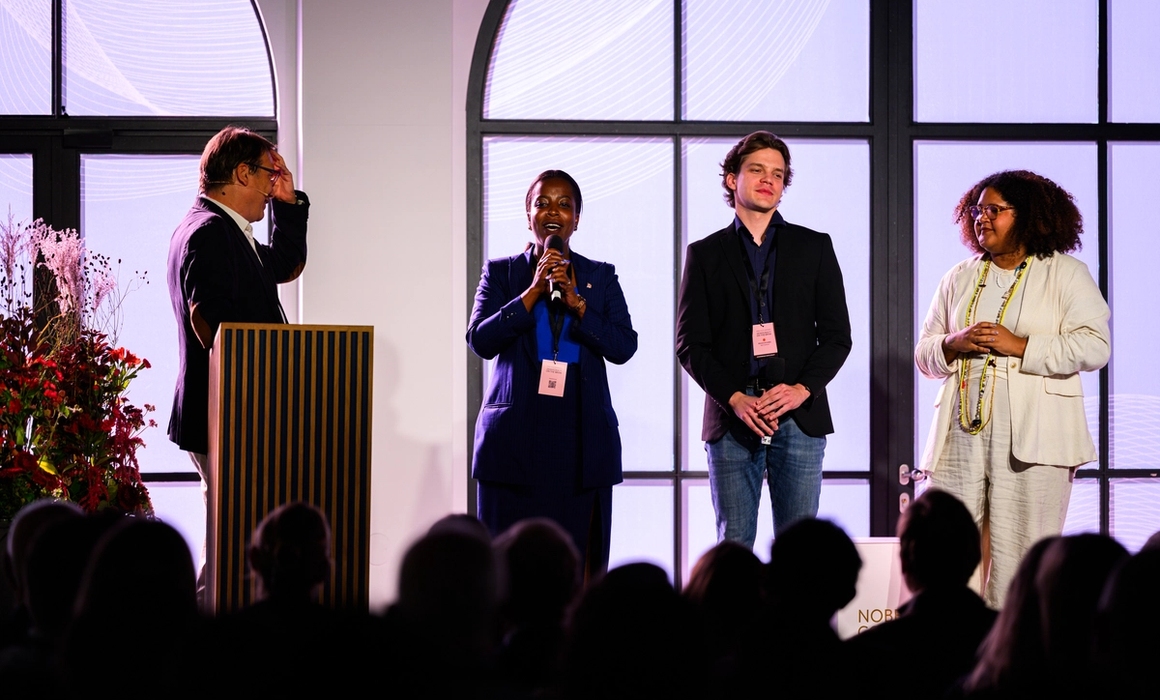
Video
Watch the Nobel Peace Conference 2026
Finding a safe digital space
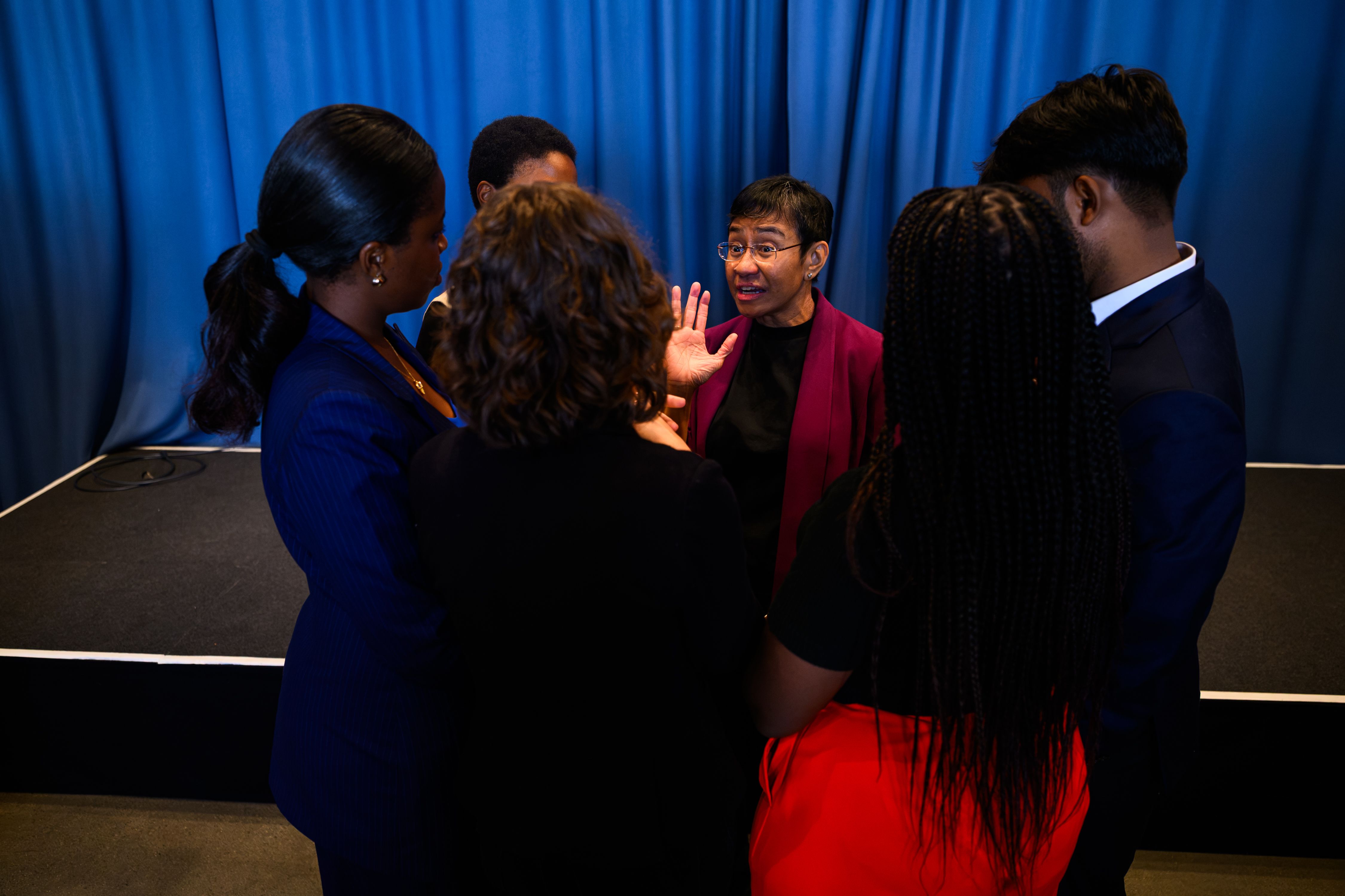
Leading up to conference, the Gen Z cohort also sat down in a roundtable discussion with three Nobel Peace Prize laureates; Maria Ressa, Juan Manuel Santos and Ales Bialitaski. Digital security was one of the keywords for the discussion, summed up by Maria Ressa in these words: “The very thing that gives you power is the very thing that will kill you.”
As many of the Gen Z movements have used social media as a powerful tool for convening, these platforms are also being weaponized against them by the political authorities, through smear campaigns and spread of false allegations. Maria Ressa’s best advice to counter these attacks is to find a safe digital space, outside the big tech’s platforms.
Depolitization of young people as a tactic
Another keyword for the conversation between the Gen Z activists and the Nobel Peace Prize laureates was depolitization of young people, or the use of propaganda and anti-politics to discourage young people from participating in politics. “Young people are discouraged to take part in politics, by narratives stating that civil society and the political realm isa bad place to be”, said Pavle Cicvaric from Serbia.
“Our governments want us to remain disengaged”, said Abi Ogundare from the USA, explaining how authorities may try to change the narrative about the Gen Z protests: “Governments are saying we aren’t protesting for life and dignity, but because we lost access to social media. But we know that’s not the truth”.
Juan Manuel Santos, the former president of Colombia, encouraged the young activists to continue to use the power they have as citizens: “Don’t be afraid of power, speak the truth, confront power because power depends on the support of young people at the end.”
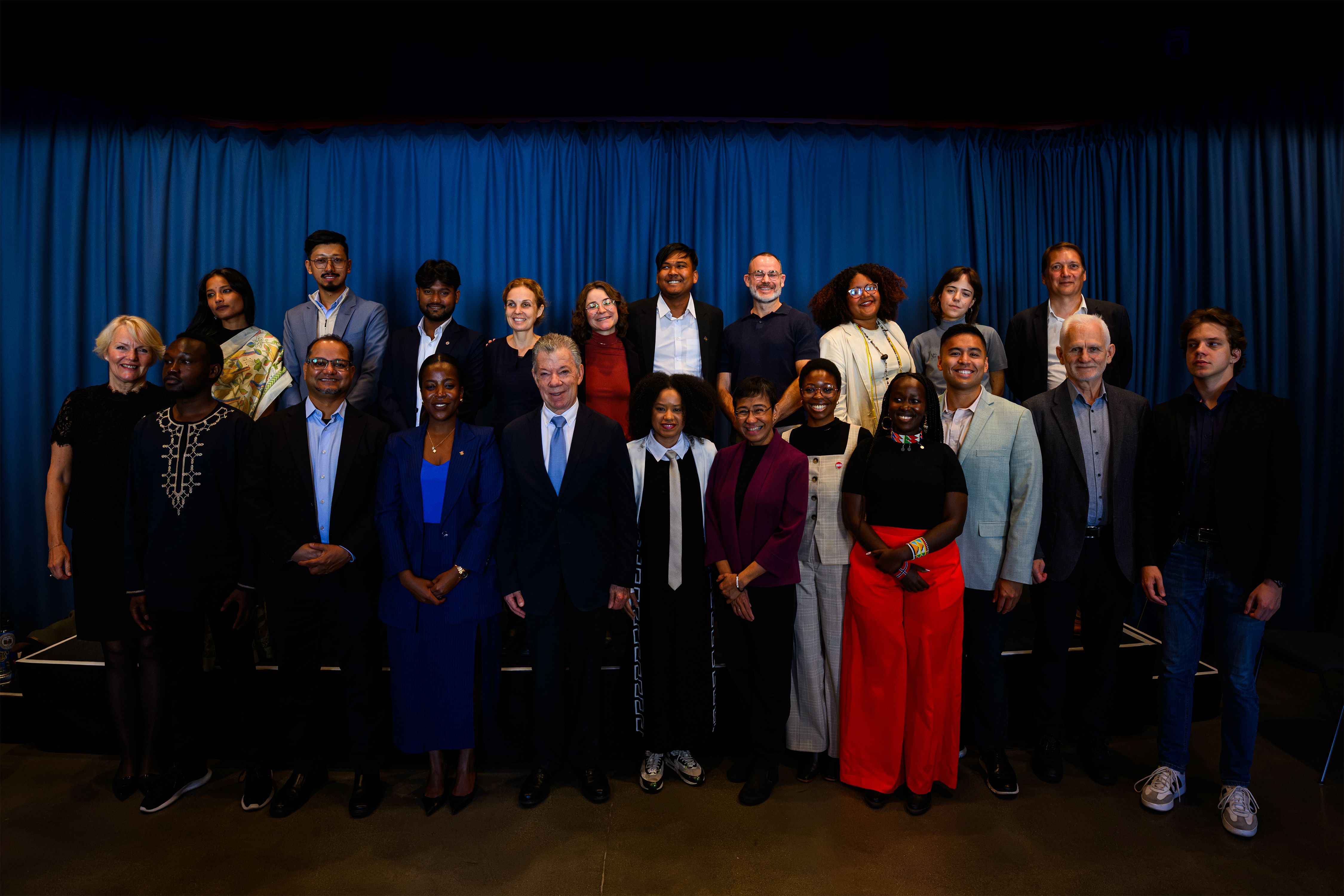
The young activists gathered at the Nobel Peace Center for this year’s Nobel Peace Conference were:
Rakshya Bam, Arnab Chaudhary, Majid Ansari and Yujan Rajbhandari from Nepal.
Wanjira Wanjiru, Stephen Kinuthia Ndung’u and Sophie Mugure Njehia from Kenya.
Andrew Regalado, Abi Ogundare and Lauren Maunus from USA.
Ana Rose Cyrus and Thuane Niscimento from Brazil.
Pavle Cicvarić and Olga Pantić from Serbia.
The Gen Z gathering was supported by Humanity United and facilitated by Center for Nonviolent Conflict Research.
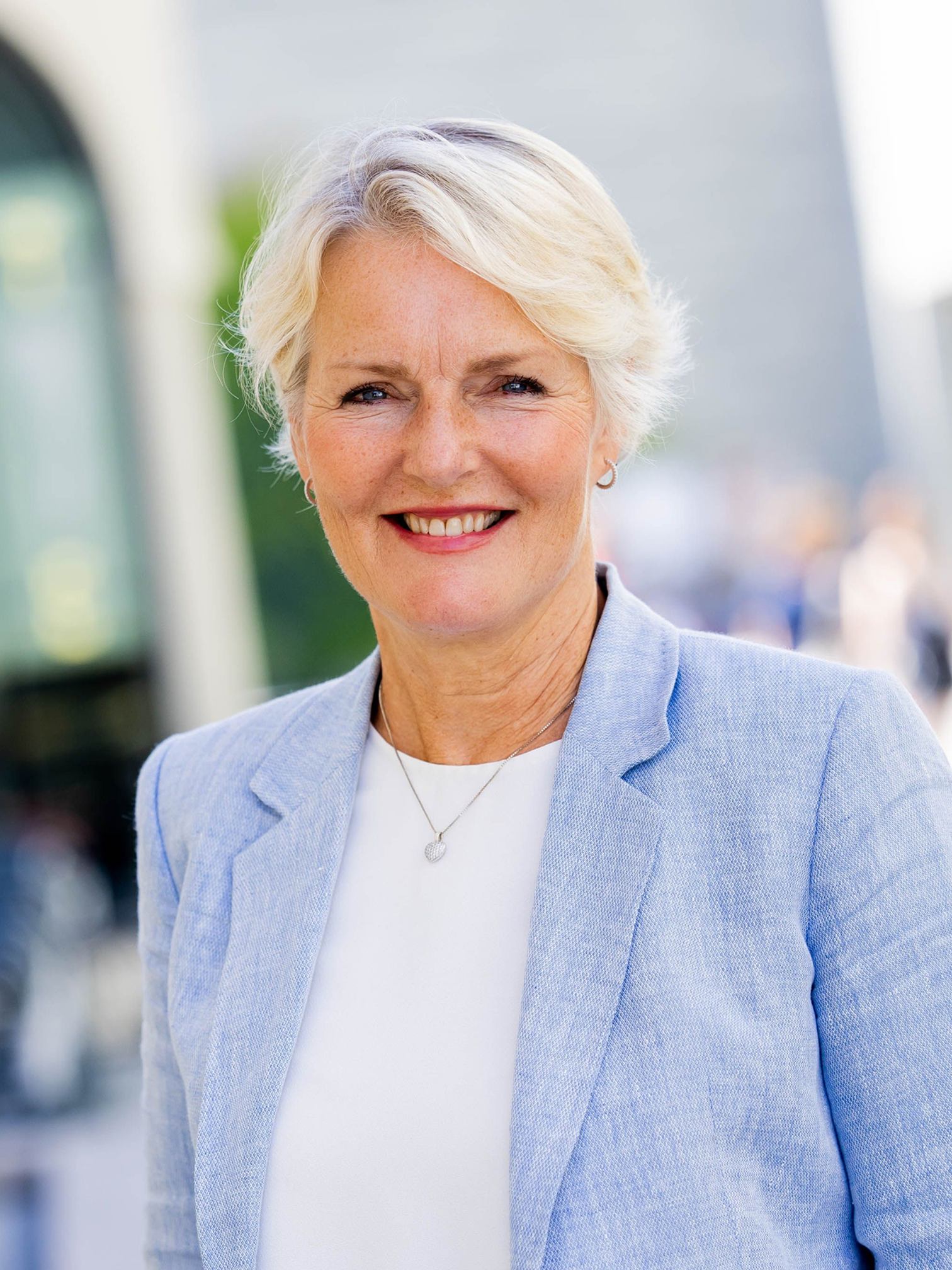
“The energy, creativity and wisdom of the young activists leave me with hope. When autocratic leaders join forces, so must democratic movements. For this, they need the support of the international community. Our hope is that the conference will help sustain the movement with learnings about how to overcome challenges together and create stronger networks and common strategies.”
- Kjersti Fløgstad, Executive Director, Nobel Peace Center
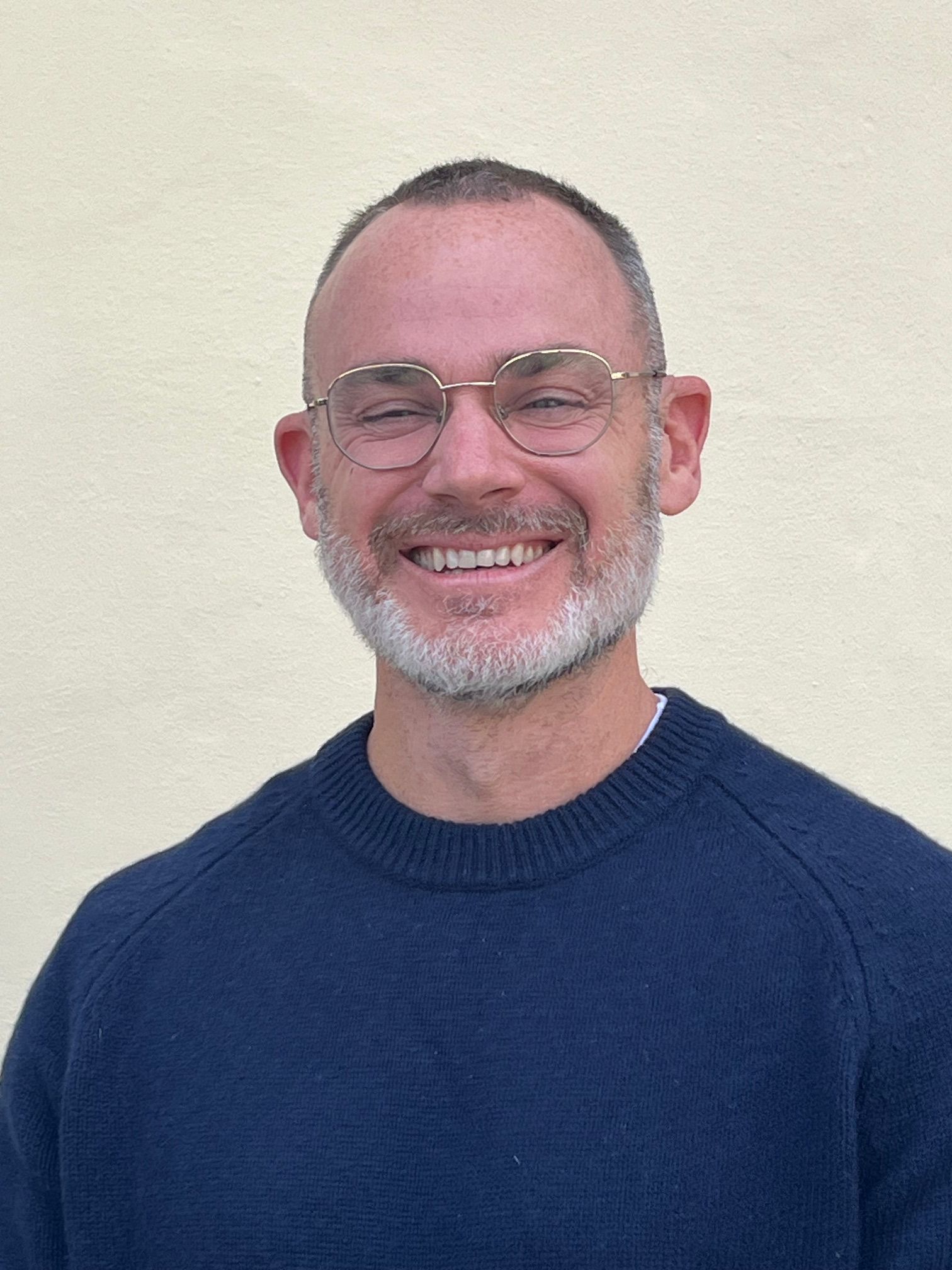
"We're facing a scale of transnational, intersecting drivers of violent conflict we haven't seen before. No one - civil society, governments, foundations, multilaterals - can handle this alone. We need to back Gen Z movements that are organizing across borders. They're connecting struggles for democracy and dignity in ways our institutions can't. Supporting them is our best shot at attaining the peaceful and prosperous world we all want."
- Bryan Sims, Director of Peacebuilding and Partnerships, Humanity United
Share: