An Advisory Board for the Big Questions About Peace
Which perspectives should be included when a museum seeks to explore what peace is, has been, and could become?
To strengthen the academic and intellectual foundation of the five-year exhibition series What Is Peace?, the Nobel Peace Center has established an advisory board composed of researchers, artists, and cultural practitioners with diverse backgrounds and areas of expertise. The board will follow the project throughout the period 2026-2030 and contribute perspectives on the exhibitions’ themes, key questions, and overall direction.
The advisory board serves as a critical dialogue partner for the project team. Its members provide expert input, challenge established perspectives, and support reflection on issues such as representation, power, ethics, and cultural sensitivity. The aim is to ensure that the exhibitions are grounded in openness, reflection, and informed inquiry, and that they address complex questions through a thoughtful and knowledge-based approach.
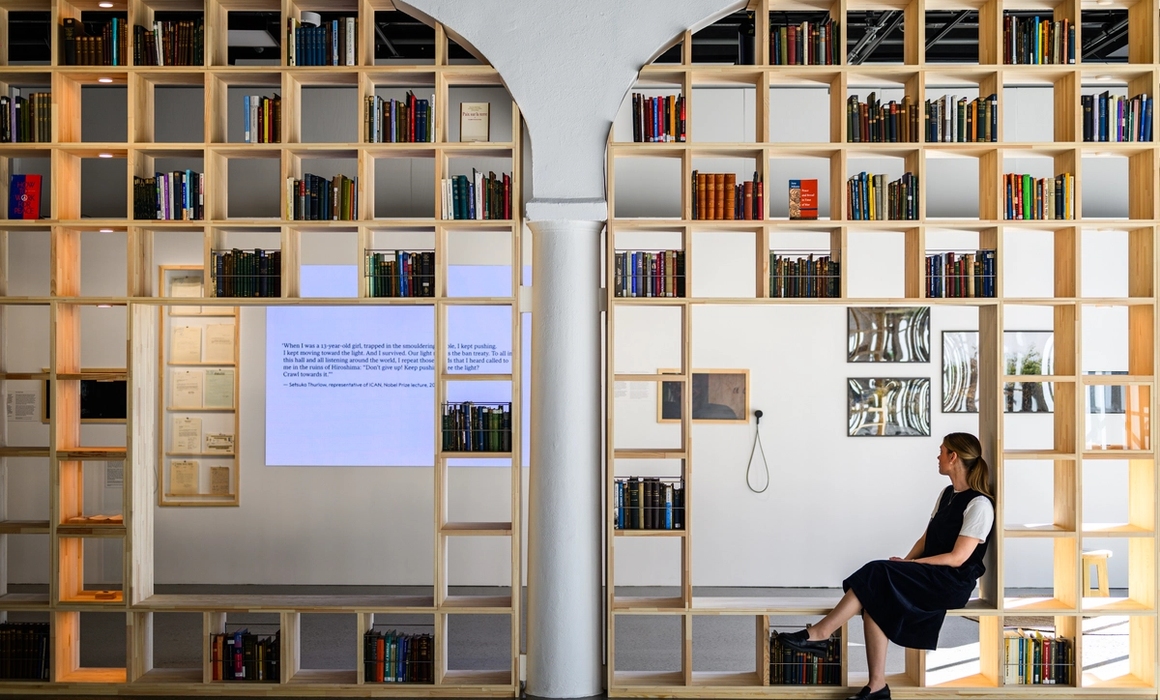
Meet the advisory board
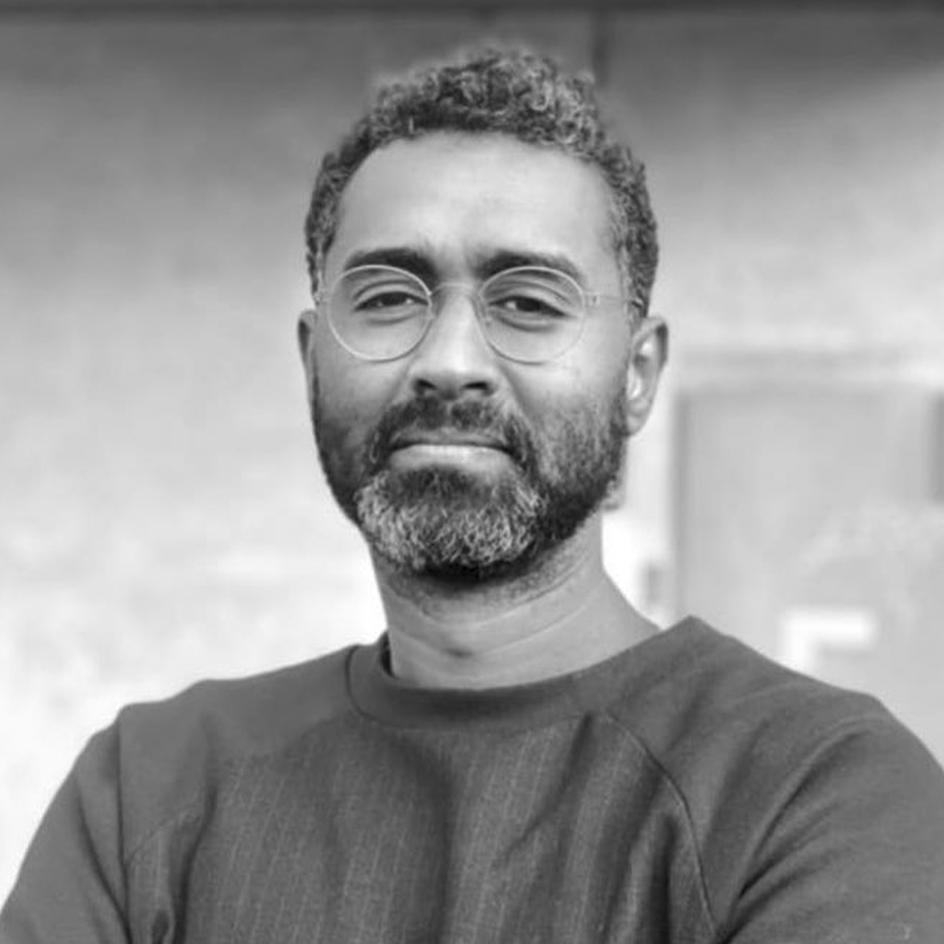
Khalid Albaih is a Sudanese political cartoonist, writer, and cultural producer known globally as "Khartoon." Born in Romania, and now Based between Oslo and Doha, his practice operates at the intersection of contemporary art, human rights, migration, and freedom of expression. Through visual storytelling, installations, and archival initiatives, Albaih explores how digital tools and public memory can foster dialogue and challenge political narratives. He has exhibited widely, including at Documenta 15, Mathaf: Arab Museum of Modern Art, and the Sydney Biennial (2026), and was shortlisted for the Freedom of Expression Award (2025).
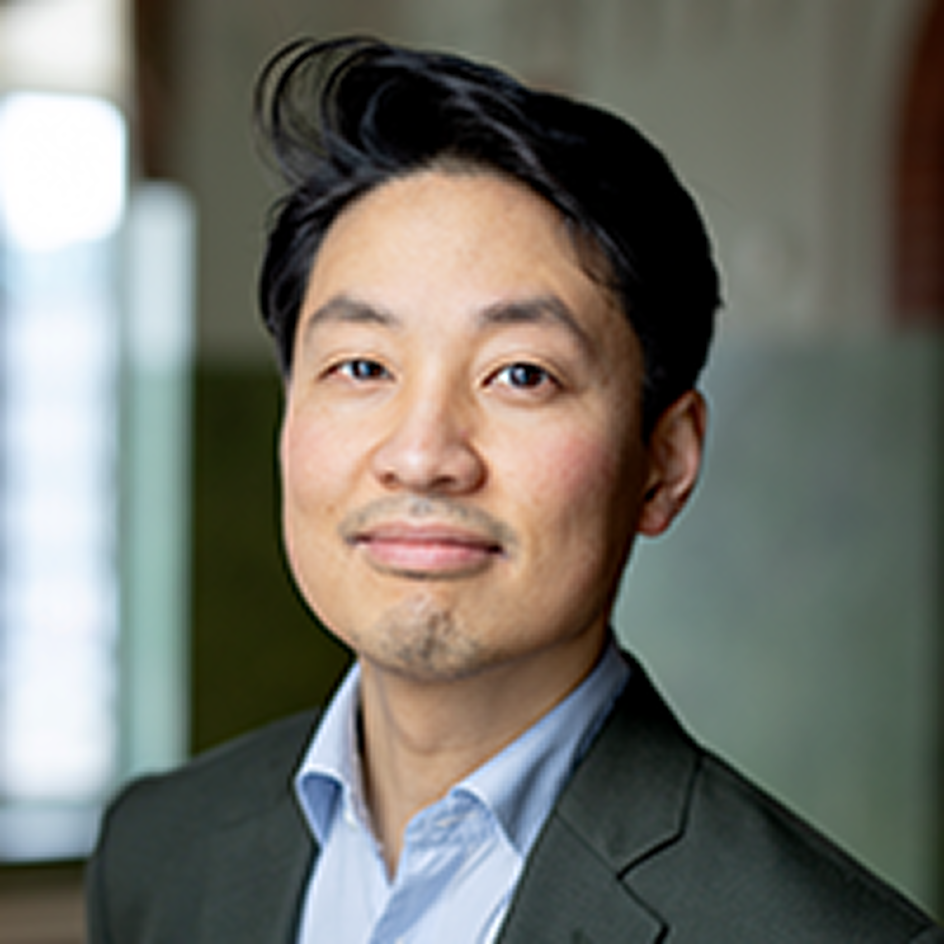
Kim Angell is an Associate Professor at the University of South-Eastern Norway. He previously served as Head of Research Programmes at the Norwegian Nobel Institute and has held research positions at institutions including the University of Oslo, Aalborg University, Princeton University, and UiT The Arctic University of Norway. His research has focused on political theory, democracy, justice, and migration, and he brings philosophical perspectives on peace to the advisory board.
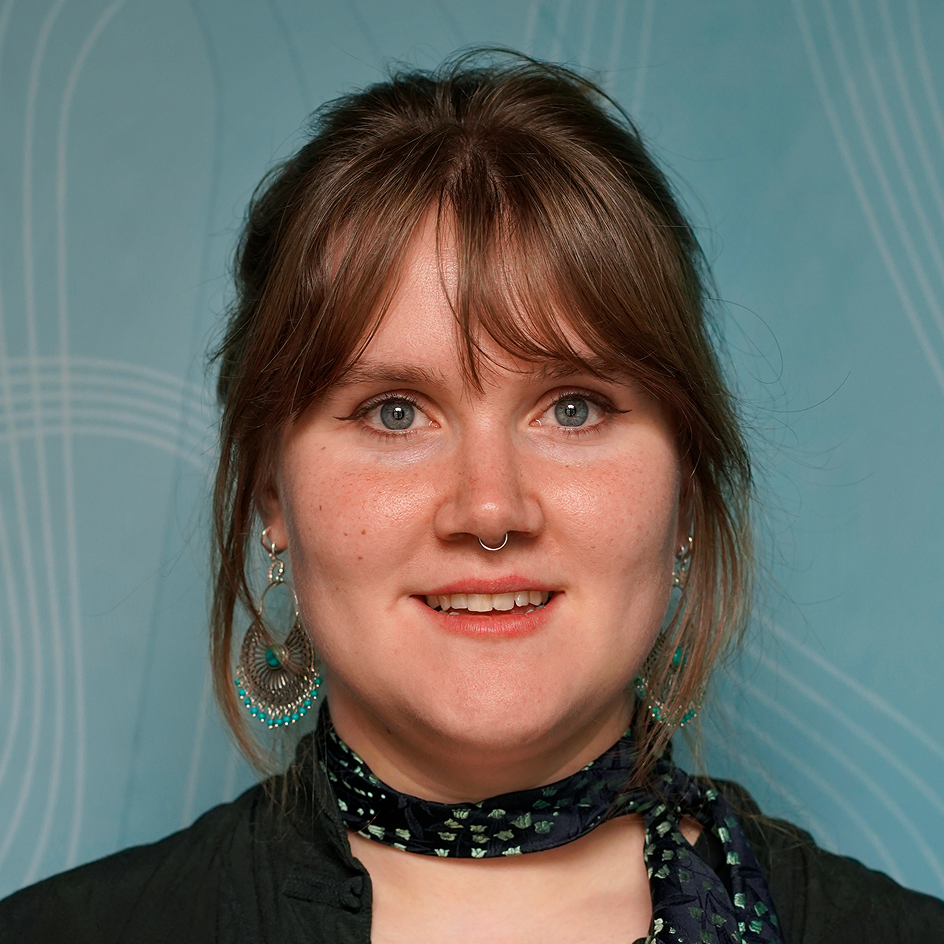
Greta Johanna Glas holds a Master's degree in Multilingualism from the University of Oslo, with a specialisation in peace studies, peace linguistics, feminist theory, and postcolonial theory. Through her work at PRIO, she has explored how language(s) shape understandings of peace, power, and social justice, including within solidarity movements and peace activism. She brings perspectives on communication, identity, and the ways in which diverse voices are expressed and represented in peacebuilding processes.
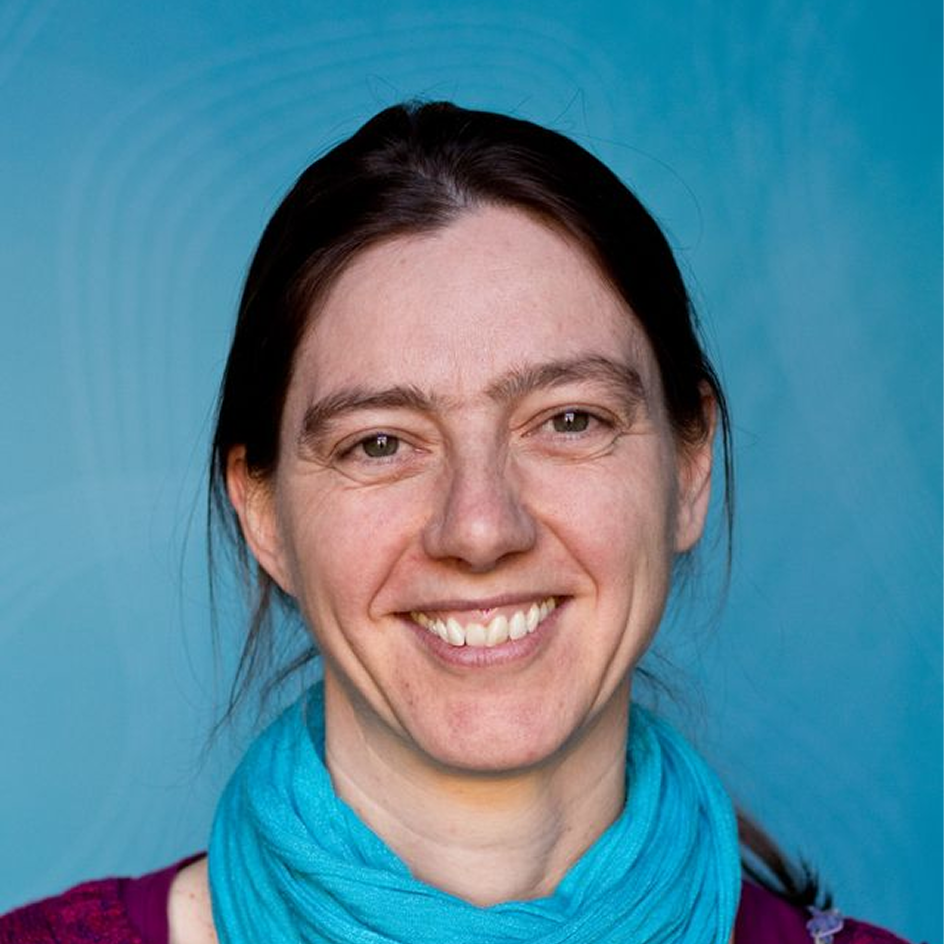
Cindy Horst is a Research Professor at the Peace Research Institute Oslo (PRIO) and Director of PRIO’s Centre for Culture, Conflict and Coexistence. Her research focuses on displacement and exile, humanitarianism, and the ways in which individuals and communities can challenge established structures and contribute to positive social change, particularly in contexts affected by conflict. She is especially interested in how art, research, and civic engagement can support peacebuilding and advance social justice.
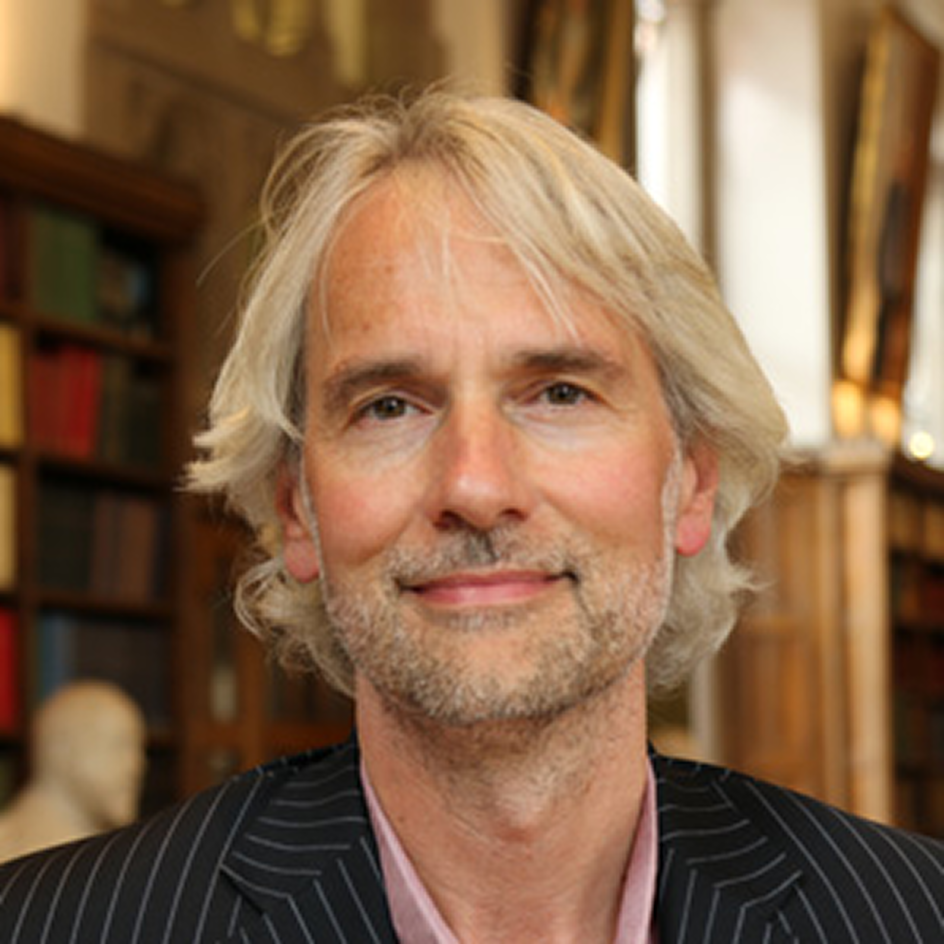
Oliver Richmond is Professor of International Relations, Peace and Conflict Studies at the University of Manchester, as well as a visiting professor at the University of St Andrews, and King's College, London. He is widely regarded as one of the leading scholars in the fields around concepts of peace and peacemaking. Through his work, he has challenged established understandings of peace and developed influential concepts such as post-liberal peace and hybrid peace. His research explores how peace is shaped through the interaction between international institutions, local communities, and the experiences of everyday life. More recently, he has been working on the evolution of the international peace architecture, the blockages that have emerged, and the concept of counter-peace. He has also been investigating the history of artpeace and as a stimulus for peacemaking innovations. He is a fellow of the Royal Society for the Arts, and of the Academy of Social Sciences.
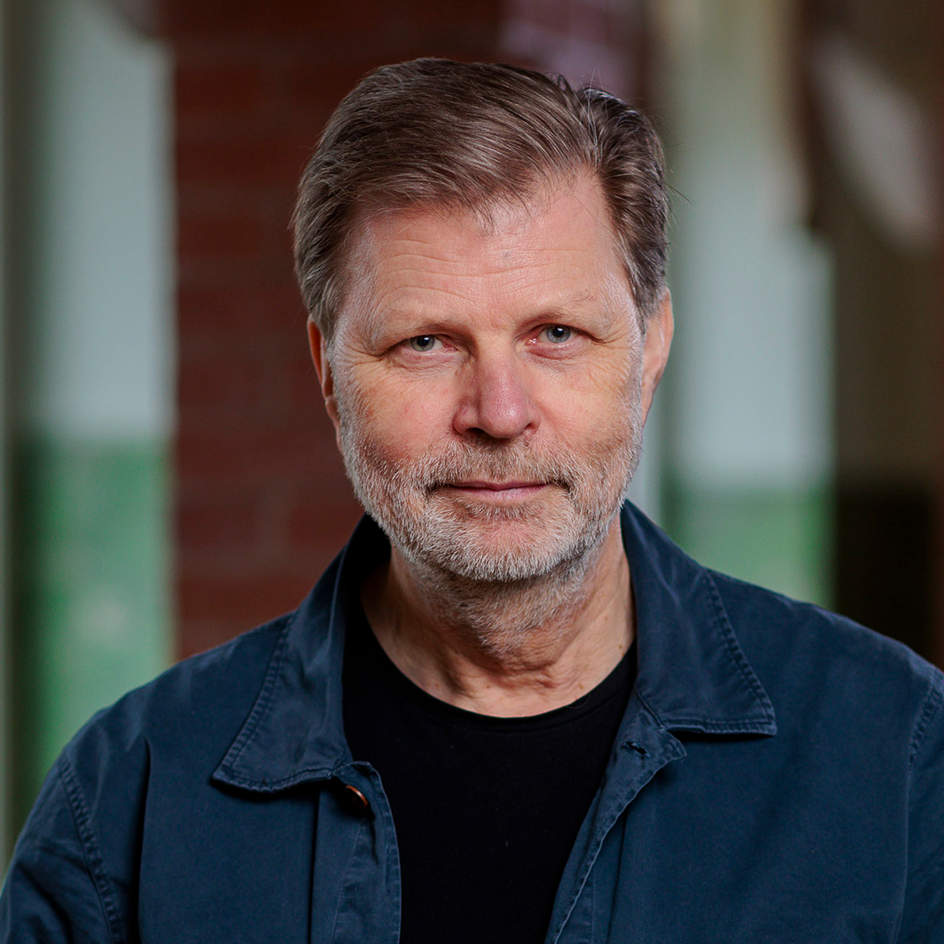
Bjørn H. Vangen is Senior Adviser in the Documentation Unit at the Norwegian Nobel Institute, where he has worked since 1996. He is responsible for the Institute’s library, archives, and historical collections related to the Nobel Peace Prize. With his extensive knowledge of the history of the Peace Prize and the Nobel Institute’s collections, he brings an important historical perspective to the exhibition series.
Share: